Free Shipping For Blank Orders Over 119

Blog

How to Launch a High-Margin Hat Bar Business in the US

How to Launch a High-Margin Hat Bar Business in the US

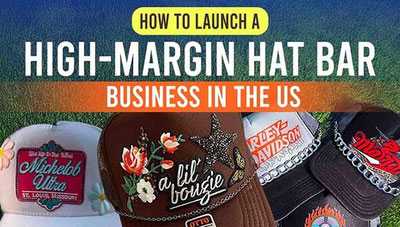
Hat bars represent a high-margin business opportunity combining experiential retail with DIY customization culture. These interactive stations allow customers to select blank hats, choose patches and accessories, and watch real-time heat-press customization within 5-15 minutes. Operating formats include in-store retail corners, mobile trailer-based setups, and pop-up installations at events. Startup costs range from $1,000-$3,000 with profit margins reaching 50-70%. Essential equipment includes heat press machines ($80-$2,050), blank hats sourced wholesale, and customization materials like chenille patches, chains, and rhinestones. Popular blank hats like the OTTO CAP 39-165 trucker cost $3.95-$4.05 wholesale and retail for $35-$75 customized. Prime markets include Nashville, Scottsdale, Phoenix, Dallas, and Texas, with emerging opportunities in Denver, Austin, Houston, Las Vegas, and Miami. Revenue streams encompass per-hat pricing ($30-$75), private party packages ($40-$85 per person), corporate bookings ($300+ base), and festival booth rentals generating $750-$800 profit per event.
CapBargain, 01/06/2026
Seamless 6-Panel Hats vs Seamed Hats: What is the Difference?

Seamless 6-Panel Hats vs Seamed Hats: What is the Difference?

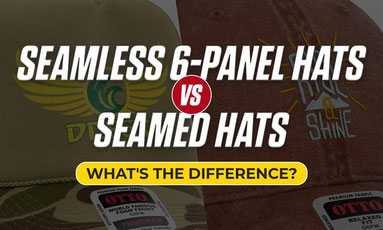
Seamless and seamed 6-panel hats represent distinct construction approaches affecting decoration potential, comfort, and aesthetics. Seamless 6-panel hats feature one continuous front panel without center seams, providing uninterrupted surfaces ideal for large embroidery designs, heat transfers, patches, and sublimation. This eliminates forehead pressure points and delivers modern, premium aesthetics. Popular seamless styles include the OTTO CAP 1120-1 trucker hat with T4 polyester twill and the 270-1 baseball cap. Seamed 6-panel hats follow traditional baseball construction with two front panels stitched together via visible center seams, creating structured dome shapes and timeless sporty profiles. Popular seamed styles include the OTTO CAP 83-473 low-profile trucker, the 125-978 OTTO SNAP snapback, and the 112-1 mid-profile trucker. Choose seamless for maximum logo space, contemporary looks, and extended-wear comfort. Choose seamed for classic aesthetics, budget-friendly pricing, and traditional baseball cap styling. CapBargain offers both types at competitive wholesale prices with no minimum orders.

CapBargain, 12/24/2025
Blank Caps with Rope Accent: The Details That Define Modern Headwear

Blank Caps with Rope Accent: The Details That Define Modern Headwear

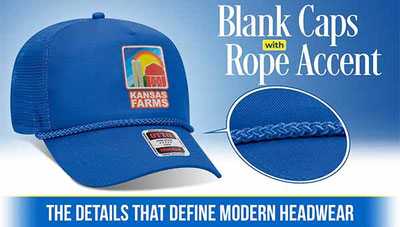
Rope-accented blank caps combine heritage craftsmanship with contemporary appeal, transforming standard headwear into visually distinctive pieces perfect for custom branding. Rooted in maritime tradition, rope details create dimensional visual interest without requiring decoration, while naturally framing embroidery for enhanced logo placement and layered hierarchy. CapBargain's curated rope-accent collection from OTTO CAP includes the bestselling 39-165 high-crown trucker with foam front, 32-467 mid-profile trucker, 39102-1 low-profile premium trucker, 31-2 cotton twill baseball cap, 9505-1 OTTO SNAP flex-bill snapback with polyester pongee construction, and 1959-1 garment-washed cotton ripstop baseball cap. Benefits include heritage connection for authenticity-seeking consumers, visual depth creating retail shelf standout, embroidery complement positioning logos 1-2 inches above rope for premium appearance, and trend validation through mainstream wholesale adoption. Ideal for sports teams, streetwear retail, event merchandise, corporate swag, and premium lifestyle brands seeking differentiated inventory without premium pricing.

CapBargain, 12/10/2025
What is the Difference Between Garment Dyed and Pigment Dyed Hats: Which Is Better for Customization?

What is the Difference Between Garment Dyed and Pigment Dyed Hats: Which Is Better for Customization?

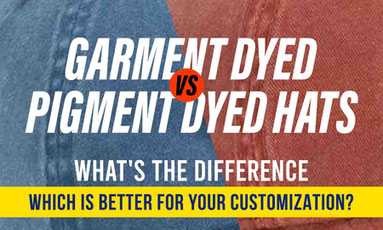
Garment-dyed and pigment-dyed hats both deliver vintage aesthetics but through different processes affecting fabric, durability, and customization compatibility. Garment dyeing submerges fully-constructed caps in dye baths, creating chemical bonds where color penetrates deep into fibers, resulting in consistent color tones, softer broken-in texture, superior color retention through washing and UV exposure, and natural variations across seams. Pigment dyeing applies color to finished hat surfaces using binding agents, creating intentionally-faded distressed appearances, instant vintage aesthetics, individual character with unique variations, and creative color effects impossible with fiber-reactive dyes. Key differences include appearance (uniform tone vs intentional variations), durability (deep penetration vs surface application), and color fastness (longer retention vs gradual organic fading). Garment-dyed caps suit promotional campaigns and professional businesses requiring brand color consistency, while pigment-dyed options appeal to lifestyle brands and streetwear companies seeking authentic broken-in aesthetics with individual character.

CapBargain, 11/25/2025
How to Start a Custom Cap Business

How to Start a Custom Cap Business

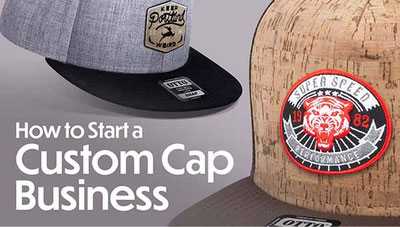
The American headwear market represents a $26.50 billion industry projected to reach $43.73 billion by 2030, offering entrepreneurs substantial profit opportunities with margins ranging from 50% to 300%. Starting a custom cap business requires selecting the right business model among four primary options: print-on-demand for low-risk testing, dropshipping for minimal inventory investment, in-house production for maximum control, or wholesale customization for quality and profitability balance. Essential startup steps include legal business registration with LLC formation, obtaining EIN and sales tax permits, and securing resale certificates for wholesale purchasing. Product focus should target high-demand styles including trucker hats, baseball caps, dad hats, and snapbacks based on target demographics. Decoration methods encompass embroidery for professional durability, heat transfer and DTF for colorful designs, screen printing for volume orders, and sublimation for polyester materials. Success requires reliable wholesale suppliers, e-commerce technology integration, and customer-focused execution strategies.

CapBargain, 11/03/2025